

Why SMEs Need HR Software in Malaysia

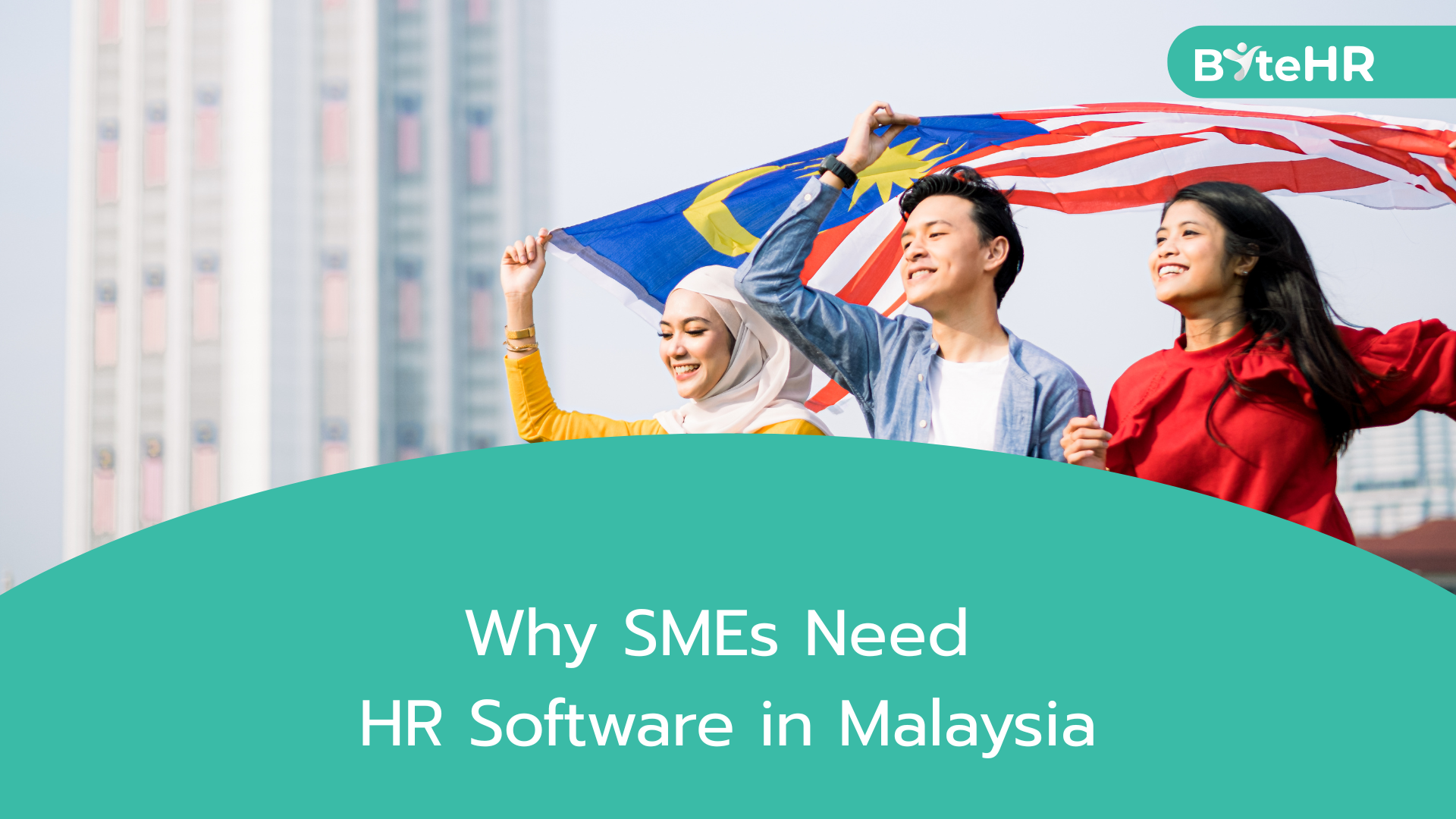
Small and medium enterprises make up the backbone of Malaysia's economy, contributing to the vast majority of business establishments and employment nationwide. Yet many of these businesses are still running core HR functions the same way they did a decade ago: spreadsheets, paper forms, and manual calculations. As competition intensifies and digitization accelerates across nearly every industry, the pressure on Malaysian SMEs to modernize their back-office operations, including HR and payroll, has never been higher.
The challenge isn't a lack of ambition. It's that many SME owners and HR teams are stretched thin, juggling administrative overhead while trying to keep up with rapidly changing local regulations around EPF, SOCSO, EIS, and income tax. Without the right systems in place, HR can quietly become one of the biggest drags on productivity in the entire business. This article looks at why manual HR processes hold Malaysian SMEs back, the core reasons HR software has become a necessity rather than a luxury, and how to think about the investment.
Why Manual HR Processes Hold SMEs Back
The real cost of manual HR isn't just the time it takes; it's the productivity it quietly drains from the entire organization. Every hour spent updating a spreadsheet or chasing a paper form is an hour not spent on hiring, employee development, or strategic planning.
Employee records stored in spreadsheets. When staff information lives across multiple files, updated inconsistently and rarely backed up properly, HR loses the ability to quickly access accurate, up-to-date records when they matter most.
Manual payroll processing. Calculating salaries, overtime, and statutory deductions by hand each month is slow and leaves significant room for error, especially as headcount grows or salary structures become more varied.
Paper leave forms. Physical leave forms get lost, take time to route for approval, and make it difficult for HR to maintain an accurate, real-time view of who's actually available on any given day.
Attendance tracked separately. When attendance data isn't connected to payroll, someone has to manually reconcile the two every cycle, a repetitive task that's both time-consuming and error-prone.
Repetitive administrative tasks. Answering the same payslip requests, leave balance questions, and document requests over and over consumes HR's time that could otherwise go toward higher-value work.
Individually, each of these feels manageable. Together, they compound into a significant productivity drag that scales with the business, meaning the problem only gets worse as the SME grows.

4 Reasons Why Malaysian SMEs Must Use HR Software
Beyond convenience, there are strategic reasons HR software has become essential for Malaysian SMEs specifically.
1. Ensuring 100% Compliance with Malaysian Labor Laws
Malaysia's Employment Act and related labor regulations are regularly updated, covering everything from working hours and overtime rules to leave entitlements and termination procedures. Keeping track of these changes manually and applying them correctly across every employee is a significant burden for a small HR team. HR software built for the Malaysian market can help ensure policies and calculations stay aligned with current regulations, reducing the risk of costly compliance mistakes.
2. Flawless Statutory Deductions (EPF, SOCSO, EIS, and PCB)
Every Malaysian payroll cycle requires accurate calculation of EPF contributions, SOCSO, EIS, and PCB income tax deductions, each with its own rates and rules. A single manual error in any of these can lead to underpayment, overpayment, or compliance issues with the relevant authorities. HR software with built-in statutory calculation logic removes this guesswork, applying the correct rates automatically and keeping records audit-ready.
3. Eliminating Payroll Errors and Processing Time
When payroll relies on manual data entry from multiple sources, spreadsheets, attendance logs, and leave records, errors are almost inevitable. HR software connects these data points directly, so payroll is calculated from accurate, real-time information rather than reconciled after the fact. This doesn't just reduce mistakes; it also dramatically cuts down the number of hours HR spends closing payroll each month.
4. Adapting to Hybrid and Flexible Work Cultures
As more Malaysian SMEs adopt hybrid work arrangements, flexible hours, or remote staff, traditional attendance and HR processes built around a fixed office environment start to break down. Modern HR software supports mobile clock-in, remote leave requests, and digital approvals, allowing SMEs to offer the flexibility employees increasingly expect, without losing visibility or control over workforce management.

Is HR Software Worth the Investment?
For many SME owners, the biggest hesitation isn't whether HR software would help; it's whether the cost and effort of implementation are justified. This is a fair question, especially for businesses operating on tight margins.
The reality is that the cost of staying manual is often higher than it appears. Time spent on repetitive administrative tasks is time HR isn't spending on hiring, retention, or strategic support for the business. Payroll errors, even occasional ones, carry real financial and compliance risk. And as the business grows, manual processes that were merely inconvenient at 10 employees can become genuinely unmanageable at 50 or 100.
HR software addresses all of this directly: it saves time by automating repetitive calculations and approvals, reduces payroll errors through automated, rules-based calculations, improves overall productivity by freeing HR staff from administrative bottlenecks, and supports business growth by scaling smoothly as headcount increases, without requiring a complete process overhaul every time the company expands. When weighed against these ongoing costs of staying manual, the investment in HR software often pays for itself well within the first year.
Choosing ByteHR as Your Trusted HR Partner in Malaysia
Not all HR software is built with Malaysian SMEs in mind, and that distinction matters. ByteHR is designed specifically for the Malaysian market, with statutory compliance for EPF, SOCSO, EIS, and PCB built directly into the platform, so calculations stay accurate as regulations evolve.
Beyond compliance, ByteHR is built to be genuinely usable by growing teams, without requiring a dedicated IT department or lengthy onboarding process. The platform brings payroll, attendance, leave, and employee self-service together in one system, giving SMEs enterprise-grade HR capabilities without the heavy price tag typically associated with larger, more complex platforms. For Malaysian SMEs looking to modernize HR without overextending their budget, ByteHR offers a practical, locally relevant path forward.
Malaysian SMEs don't need to choose between staying lean and staying compliant. The right HR software removes the administrative burden that manual processes create, while giving business owners the confidence that payroll, compliance, and employee records are being handled accurately. As competition and regulatory complexity both continue to grow, the SMEs that modernize their HR operations now will be far better positioned to scale smoothly later.
Ready to see how ByteHR can simplify HR for your business? Request a free demo today and discover how much lighter your HR workload can become. For a tailored consultation based on your business size and industry, reach out to our team at sales@byte-hr.com.