

Tips for Managing Hotel Part-Time and Casual Staff

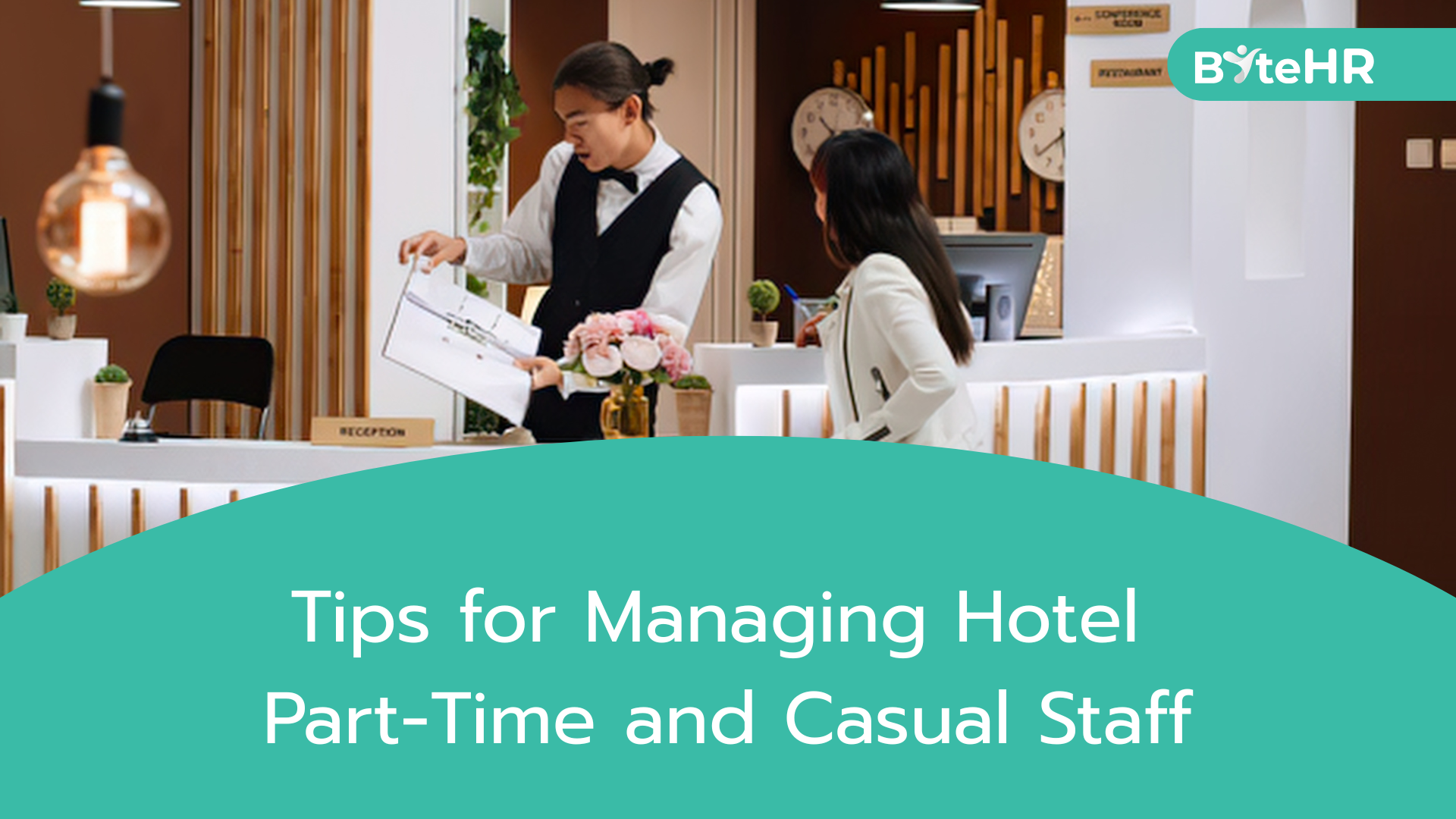
In the fast-paced hospitality industry, volatility is the only constant. Hotels frequently swing between the frantic energy of peak seasons and the quiet necessity of leaner periods. To navigate these shifts, the strategic use of part-time and casual staff has become a cornerstone of successful hotel operations. These flexible team members allow hotels to scale their workforce to match fluctuating guest numbers, optimizing labor costs without sacrificing operational agility.
However, the nature of flexible staffing brings its own set of challenges. When your team composition is constantly shifting, maintaining the "hotel standard" of service—the core of your brand promise—can feel like an uphill battle. The key to success lies not in controlling the turnover, but in mastering the management of the transition. By implementing structured processes, leveraging technology, and fostering an inclusive culture, you can turn a revolving door of staff into a high-performing, reliable support network.
1. The Foundation: Strategic Recruitment and Onboarding
Managing casual staff effectively starts long before they set foot on the lobby floor. Your recruitment strategy must prioritize adaptability and cultural fit just as much as technical capability.
Building a Talent Pool: Never wait until the eve of a major holiday to scramble for staff. Proactively cultivate a "preferred list" of former employees, students from local hospitality programs, and reliable gig workers. Maintaining this database allows you to fill gaps instantly with individuals who have already been vetted.
The "Quick-Start" Orientation: You cannot afford a week-long onboarding process for a casual worker. Design an orientation package that is laser-focused on the "non-negotiables": brand values, basic safety protocols, and the location of key departments. Use visual aids like infographics or short, high-energy videos that can be reviewed on a smartphone before the shift begins.
Defining the Profile: Be specific about what you need for each role. A casual banquet server requires a different temperament and skill set than a part-time housekeeping assistant. Clear job descriptions ensure you attract the right talent for the specific intensity of the task.
2. Clarity as a Productivity Catalyst: Communication Strategies
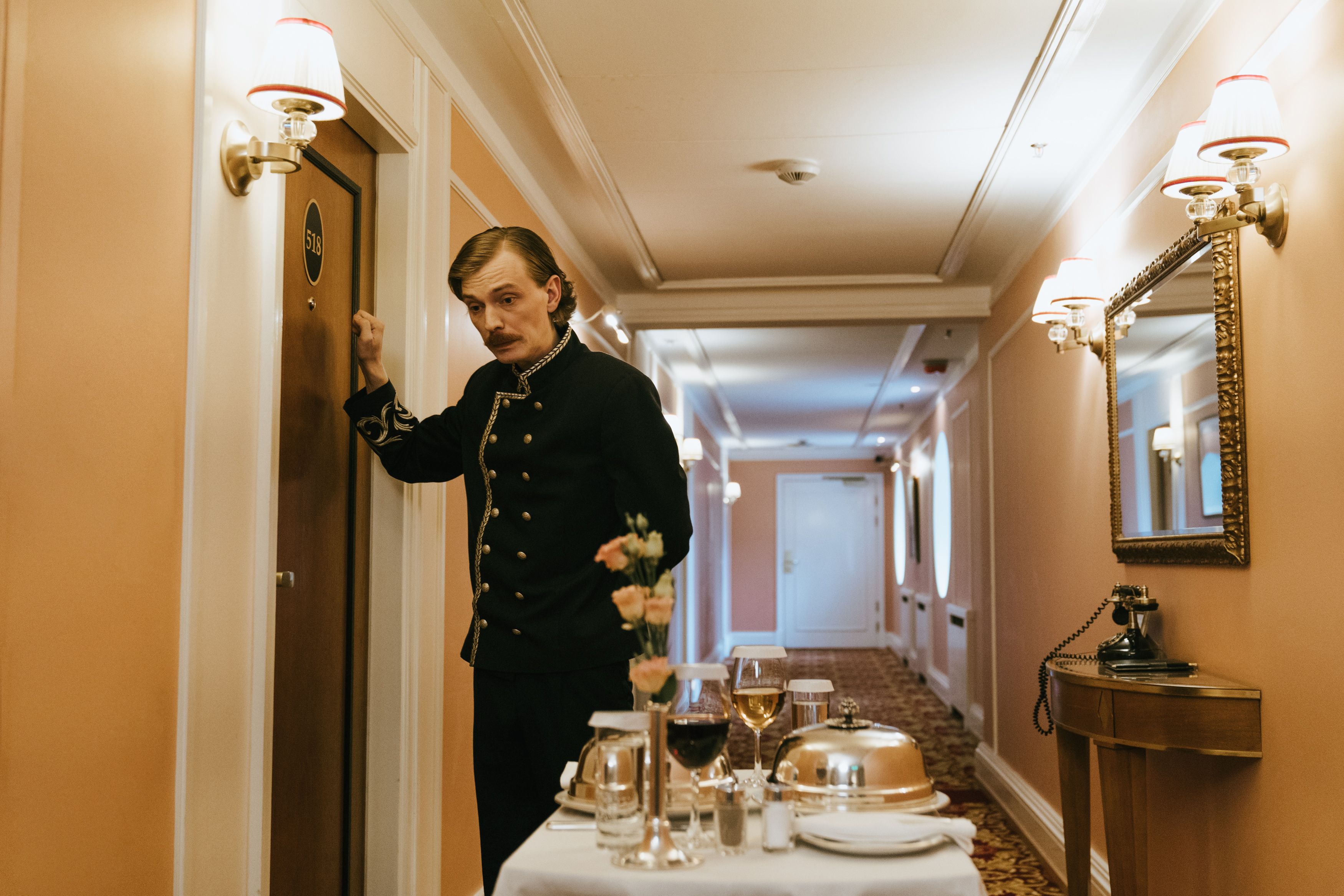
In a high-pressure hotel environment, confusion is the enemy of productivity. If a part-time staff member is unsure of their exact duties, they will invariably slow down the entire team.
Micro-Tasking and Clear Briefs: Avoid vague assignments like "help out in the restaurant." Instead, provide precise instructions: "Between 10:00 AM and 11:30 AM, focus on resetting tables 1 through 10 and ensuring the condiment stations are replenished." Specificity allows staff to work independently and reduces the need for constant supervision.
The "Digital Hub": Move away from phone trees and disorganized text groups. Utilize dedicated hospitality management apps to distribute shift schedules, policy updates, and team announcements. This centralizes communication, ensuring that everyone receives the same information simultaneously, reducing errors caused by "he said, she said" scenarios.
Visual SOPs: Casual staff often learn best by doing, not reading. Place one-page, visual Standard Operating Procedures (SOPs) in back-of-house areas. A simple flow chart on how to set up a conference room or how to handle a guest complaint is far more effective than a thick, dusty binder.
3. Standardization: Ensuring Consistency Across Shifts
Consistency is the hallmark of a great hotel, but it is the hardest thing to maintain when faces change daily.
The Buddy System: Pair every part-time or casual hire with a seasoned full-time employee for their first few shifts. This "buddy" acts as a mentor, answering questions and providing real-time feedback. This not only improves the quality of service but also helps the part-time worker feel supported and integrated into the team culture.
Daily Briefings: Never skip the pre-shift briefing. Dedicate five minutes before the start of each shift to align the team on the day’s objectives. Highlight specific guest needs, VIP arrivals, or standard adjustments for that day. This ensures that every person, regardless of their employment status, is working toward the same goals.
On-the-Job Demonstration:When introducing a new task, don't just explain it—show it. Follow the "I do, we do, you do" method. Demonstrate the task, perform it together, and then observe them doing it. This hands-on approach builds confidence and significantly reduces errors.
4. Precision Roster Management: The Art of Scheduling
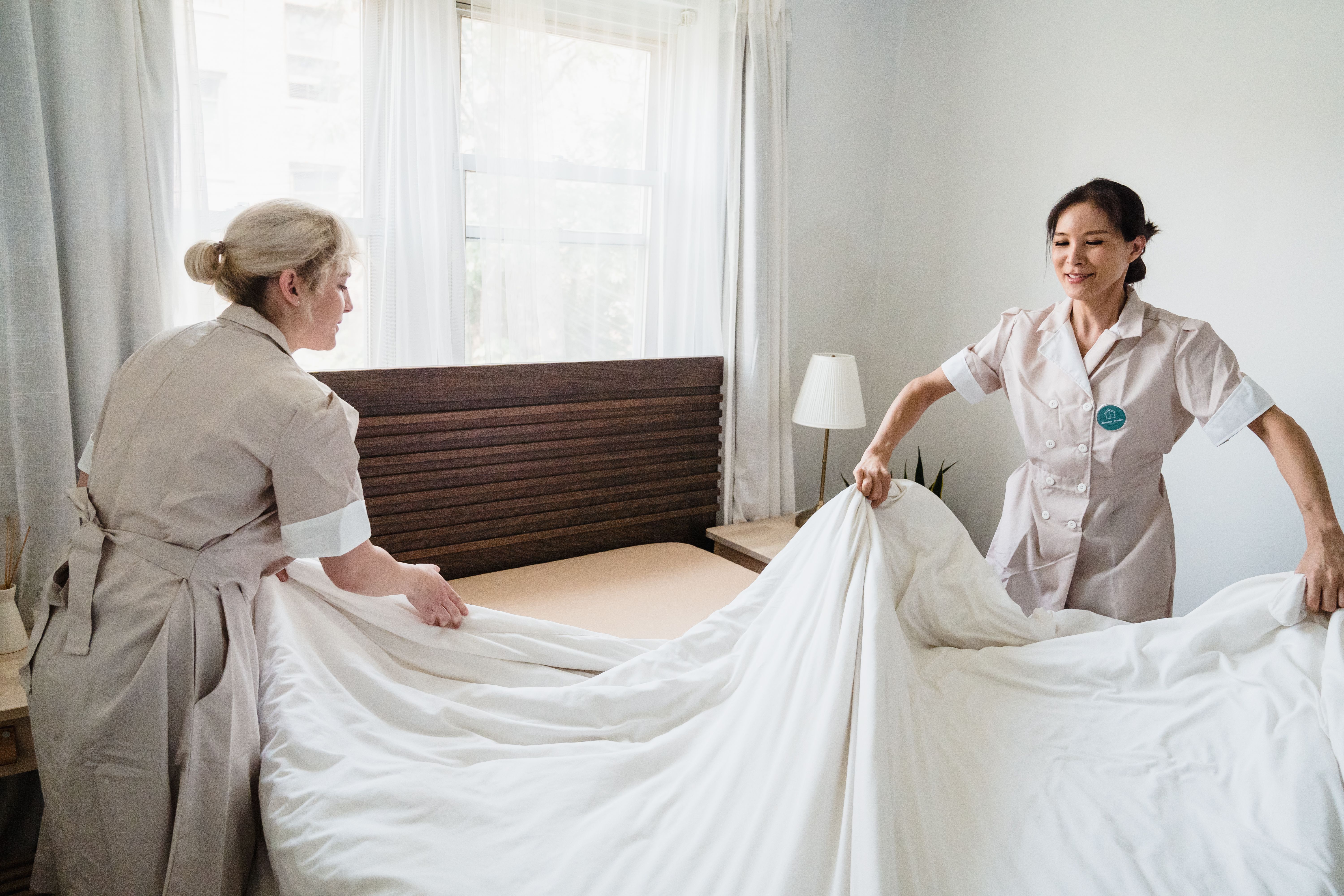
Poor scheduling is the fastest way to lose the trust of your casual staff and destroy your bottom line.
Demand-Based Forecasting: Use historical booking data and local event calendars to predict staffing needs. When you schedule staff based on data rather than "gut feel," you avoid the double-edged sword of being overstaffed (wasting money) or understaffed (burning out your team).
Self-Service Scheduling: Give casual staff agency over their time. Using a mobile scheduling system where staff can "claim" open shifts increases satisfaction and accountability. When a worker chooses their own shift, they are statistically much more likely to show up on time.
Clear Confirmation Protocols: Implement a system where staff must confirm their shift via a mobile app 24 hours in advance. If they don't confirm, the shift is automatically released to the next person in your talent pool. This reduces last-minute "no-shows" that can paralyze a hotel operation.
5. Engagement: Making Casual Staff Feel Like "Insiders"
The biggest mistake a hotel can make is treating casual staff as replaceable components. A worker who feels respected is a worker who will go the extra mile for your guests.
Equitable Treatment: A part-time worker should be welcomed with the same courtesy as a department head. Ensure they have access to appropriate changing facilities, clean uniforms, and staff meals. These small gestures signal that their contribution is valued.
In-the-Moment Recognition: Casual workers don't get performance reviews, so they need feedback in the moment. A simple "Great job handling that guest request" from a supervisor can have a profound impact. If a casual worker goes above and beyond, acknowledge it publicly during the shift briefing.
Constructive Coaching: When mistakes happen, focus on the process, not the person. Instead of expressing frustration, guide them on the correct approach. Treating every error as a learning opportunity helps them improve and encourages them to return for future shifts.
6. Leveraging Technology for Management Efficiency
The days of tracking casual staff hours on a spreadsheet are long gone. To be competitive, hotels must embrace digital infrastructure.
Automated Time Attendance: Use mobile-based clock-in/out systems that leverage GPS geofencing. This prevents "buddy punching" (where one employee clocks in for another) and provides accurate payroll data without the manual headache of reconciling time sheets.
Fast-Track Payroll: Casual staff value reliability. Use HR systems that can instantly summarize hours worked and trigger timely payments. When workers know they will be paid accurately and on time, they are more likely to prioritize your hotel when they are looking for work.
Digital Feedback Loops: Use simple, mobile-based rating systems after each shift where supervisors can tag a worker’s performance. Over time, you build a "reputation score" for your casual pool, making it easier to select the best talent for future shifts.
The effective management of part-time and casual staff is not just an administrative task—it is a competitive advantage. Hotels that master this flexibility can scale with precision, respond to guests with agility, and maintain high standards regardless of the season. By moving away from the view of casual staff as "just extra hands" and instead treating them as a strategic asset, you create a robust, high-energy team capable of delivering exceptional guest experiences consistently.
The secret lies in reducing friction through clear communication, leveraging technology to handle the heavy lifting of scheduling, and fostering an environment of mutual respect. When you invest in your casual staff, they invest their best efforts into your guests.
ByteHR understands the unique operational pressures of the hospitality sector. Our integrated HR platform is purpose-built to handle complex shift rosters, automated time attendance, and precise payroll management for both permanent and flexible workforces. If you are ready to modernize your hotel’s HR operations, we are here to help.
If you would like to start using an HR programme but are not sure where to begin, or whether the features will meet your company's needs, you are welcome to consult ByteHR for free at 02 026 3297 or send an email to sales@byte-hr.com. Let us help you elevate your hotel management to the digital era.